From Marcy Projects to Mogul Status
Shawn Corey Carter, known professionally as Jay-Z, has redefined what it means to be a successful artist in the modern entertainment landscape. With an estimated net worth of $2.5 billion in 2026, the Brooklyn-born rapper has transcended music to become one of America's most astute business minds. His journey from selling drugs on the streets of the Marcy Projects to becoming hip-hop's first billionaire represents one of the most remarkable wealth accumulation stories in entertainment history.
 Photo: Marcy Projects, via c2.vgtstatic.com
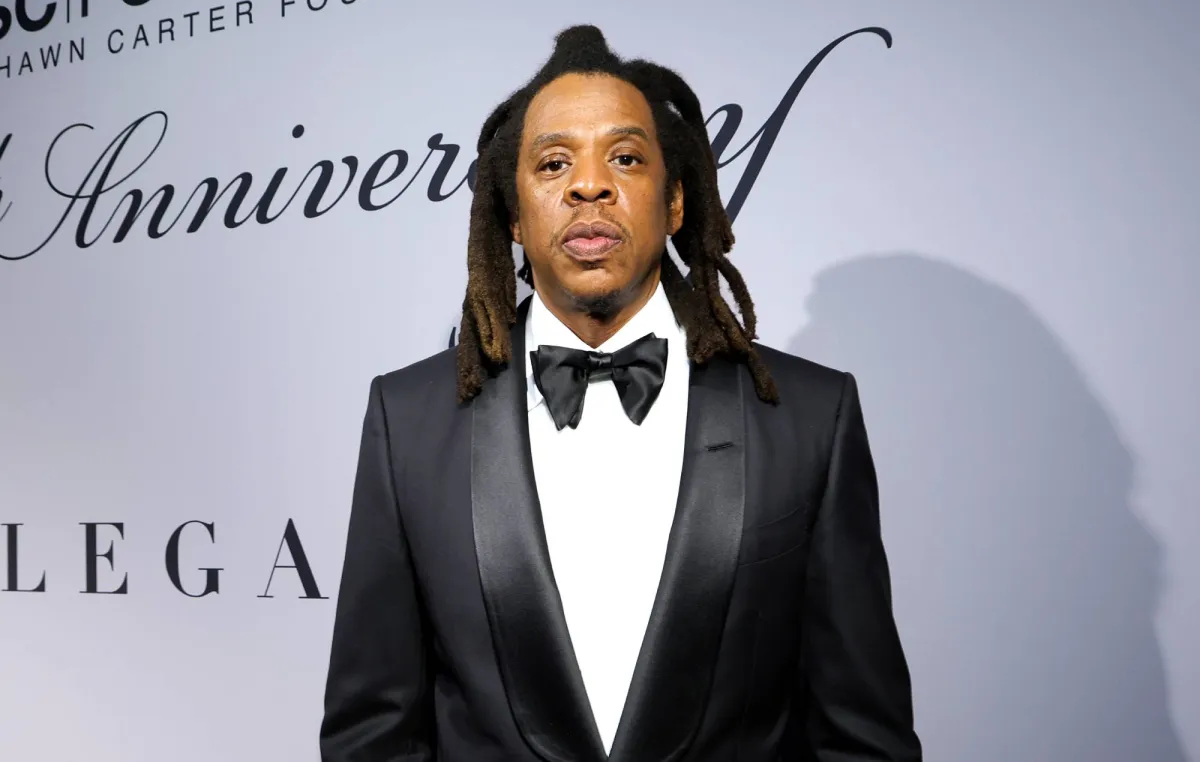 Photo: Jay-Z, via www.nme.com
The 57-year-old entrepreneur's fortune extends far beyond his platinum-selling albums and sold-out tours. While his music catalog remains valuable, generating approximately $75 million annually through streaming royalties and licensing deals, it represents just a fraction of his total wealth. Jay-Z's business empire encompasses luxury spirits, streaming technology, sports management, art collection, and strategic real estate investments that have consistently outperformed traditional entertainment income streams.
The Music Foundation: Building Brand Equity
Jay-Z's recording career began in the mid-1990s when major labels repeatedly rejected his demo tapes. Rather than accept defeat, he co-founded Roc-A-Fella Records in 1995, maintaining ownership of his master recordings—a decision that would prove financially transformative. His debut album "Reasonable Doubt" established him as a formidable lyricist, but more importantly, it demonstrated his understanding of intellectual property value.
Throughout his career, Jay-Z has released 14 solo studio albums, with total sales exceeding 50 million copies worldwide. His streaming numbers remain robust, with over 15 billion plays across major platforms. However, the true genius lies in how he leveraged musical success to build credibility for his business ventures. Each album release became a marketing campaign for his broader portfolio, from name-dropping his cognac brand in lyrics to showcasing his art collection in music videos.
His touring revenue has consistently ranked among the highest in hip-hop, with recent tours generating over $100 million in gross receipts. The "4:44 Tour" alone earned $44 million, while his joint "On the Run" tours with wife Beyoncé have grossed over $250 million combined.
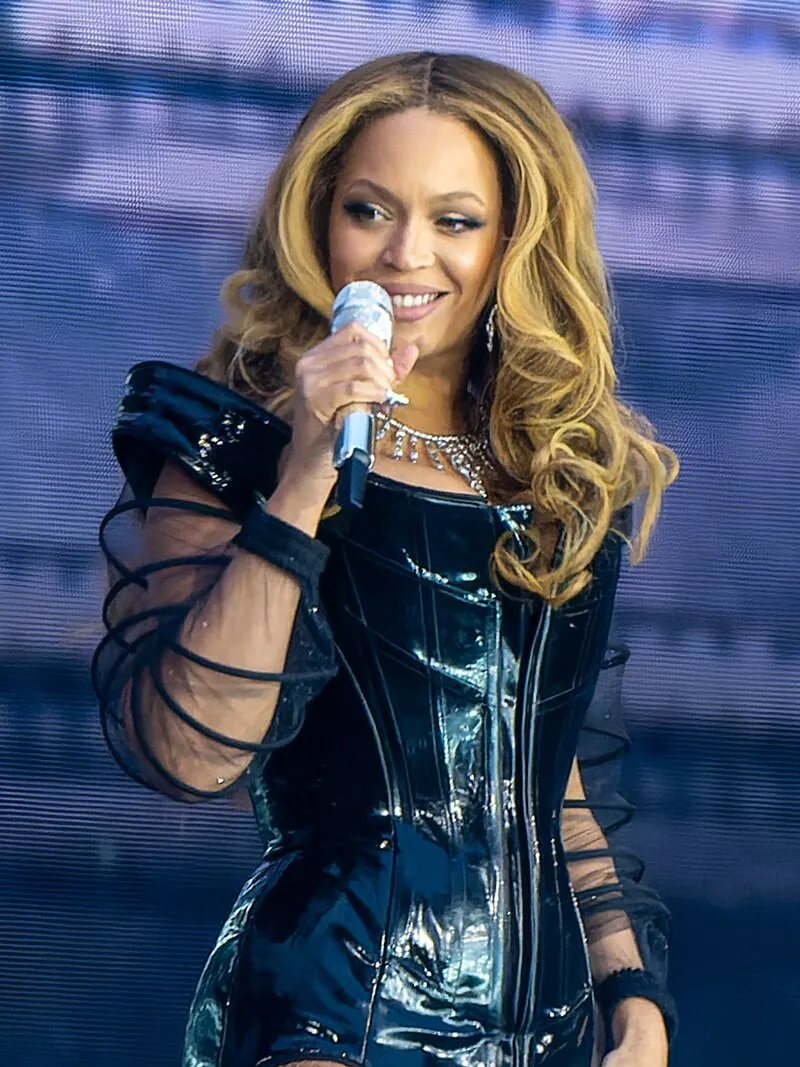
 Photo: Beyoncé, via i.pinimg.com
Spirits Empire: Armand de Brignac and D'Ussé
Jay-Z's most lucrative business ventures center on luxury spirits, where his influence as a cultural tastemaker translates directly into premium pricing power. His champagne brand Armand de Brignac, known as "Ace of Spades," generates an estimated $300 million in annual revenue. After purchasing the brand in 2014 for an undisclosed amount, Jay-Z sold a 50% stake to LVMH in 2021, reportedly valuing the company at over $600 million.
The cognac brand D'Ussé, a joint venture with Bacardi, represents another significant revenue stream. Industry analysts estimate Jay-Z's stake in D'Ussé contributes approximately $150 million to his net worth, with the brand experiencing double-digit growth annually. His marketing approach for both spirits brands relies heavily on organic integration into his lifestyle and music, creating authentic demand among affluent consumers who view these products as status symbols.
The success of these ventures demonstrates Jay-Z's understanding of luxury market dynamics. Rather than competing on price, both brands command premium positioning through scarcity, celebrity endorsement, and association with hip-hop culture's aspirational elements.
Technology and Media: Tidal and Beyond
Jay-Z's $56 million acquisition of Tidal in 2015 initially faced skepticism from industry observers who questioned whether the streaming service could compete with Spotify and Apple Music. However, his strategy focused on artist ownership and exclusive content rather than market share dominance. The platform's emphasis on high-fidelity audio and artist-friendly revenue splits attracted major musicians seeking alternatives to traditional streaming models.
In 2021, Square (now Block) acquired a majority stake in Tidal for $297 million, reportedly providing Jay-Z with a significant return on his investment while maintaining his role as the platform's strategic advisor. The deal valued his remaining stake at approximately $100 million, representing a 400% return on his original investment.
Beyond Tidal, Jay-Z has invested in numerous technology startups through his venture capital activities. His portfolio includes stakes in Uber (pre-IPO investment worth over $70 million), JetSmarter, and various fintech companies targeting underserved communities.
Roc Nation: Entertainment Conglomerate
Roc Nation, founded in 2008 as a joint venture with Live Nation, has evolved into a full-service entertainment company managing athletes, musicians, and actors. The company's sports division represents high-profile athletes including Kevin Durant, Robinson Cano, and Kyrie Irving, generating substantial commission revenue from contract negotiations and endorsement deals.
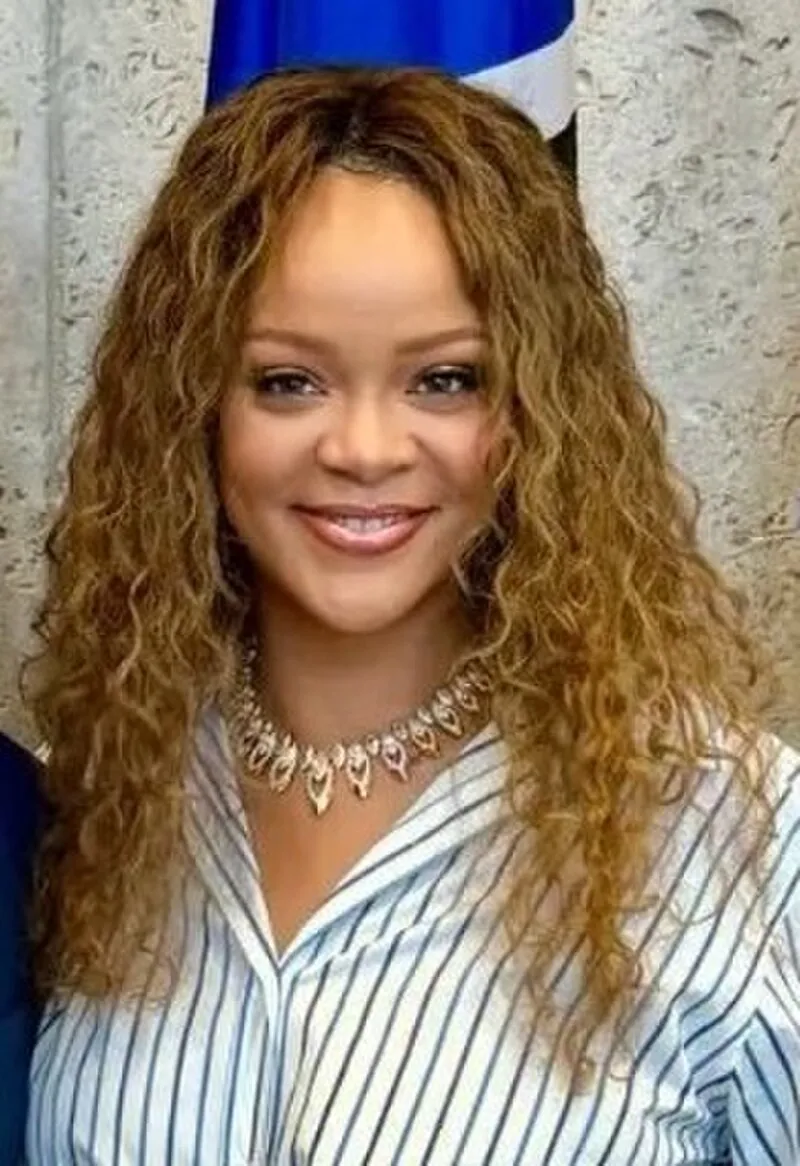
The music management division oversees careers for artists like Rihanna, J. Cole, and Megan Thee Stallion, taking standard industry commission rates while providing comprehensive career development services. Roc Nation's publishing division controls valuable song catalogs, generating consistent royalty income across multiple revenue streams.
Industry estimates suggest Roc Nation generates over $100 million in annual revenue, with Jay-Z maintaining majority ownership despite Live Nation's partnership stake. The company's diversified approach reduces dependence on any single revenue source while leveraging Jay-Z's industry relationships and cultural influence.
Art Collection and Real Estate Holdings
Jay-Z's art collection, assembled over two decades, represents both personal passion and strategic investment. His holdings include works by Jean-Michel Basquiat, Kerry James Marshall, and KAWS, with total estimated value exceeding $150 million. The collection's appreciation has consistently outpaced traditional investment vehicles, while providing tax advantages through charitable lending programs.
His real estate portfolio spans multiple markets, anchored by a $88 million Bel Air mansion and a $26 million Hamptons estate. Additional properties in New York, Miami, and international locations contribute approximately $200 million to his net worth. Unlike many celebrity real estate investors, Jay-Z focuses on prime locations with strong appreciation potential rather than speculative development projects.
The Billion-Dollar Blueprint
Jay-Z's path to billionaire status demonstrates the power of strategic diversification and long-term thinking. Rather than maximizing short-term income from music, he consistently reinvested earnings into businesses with higher growth potential and better profit margins. His approach emphasizes ownership over employment, equity over salary, and cultural influence over traditional marketing.
The rapper's business philosophy centers on identifying undervalued assets in industries where his cultural credibility provides competitive advantages. Whether launching a streaming service, acquiring spirit brands, or managing athletes, Jay-Z leverages his reputation and network to create value that extends beyond traditional celebrity endorsements.
Looking Forward: Sustaining the Empire
As Jay-Z approaches his sixth decade, his wealth continues growing through compound returns on established investments rather than new venture creation. His spirits brands benefit from expanding global markets for luxury goods, while his technology investments position him for continued growth in digital entertainment.
The mogul's influence extends beyond personal wealth accumulation to broader cultural impact. His success has inspired countless artists to pursue ownership models rather than traditional record deals, fundamentally changing how entertainers approach business development.
With a current net worth estimated at $2.5 billion, Jay-Z stands as proof that artistic talent, combined with business acumen and strategic thinking, can generate wealth that rivals traditional industry titans. His empire represents not just personal success, but a blueprint for how modern entertainers can build lasting financial legacies that extend far beyond their creative careers.